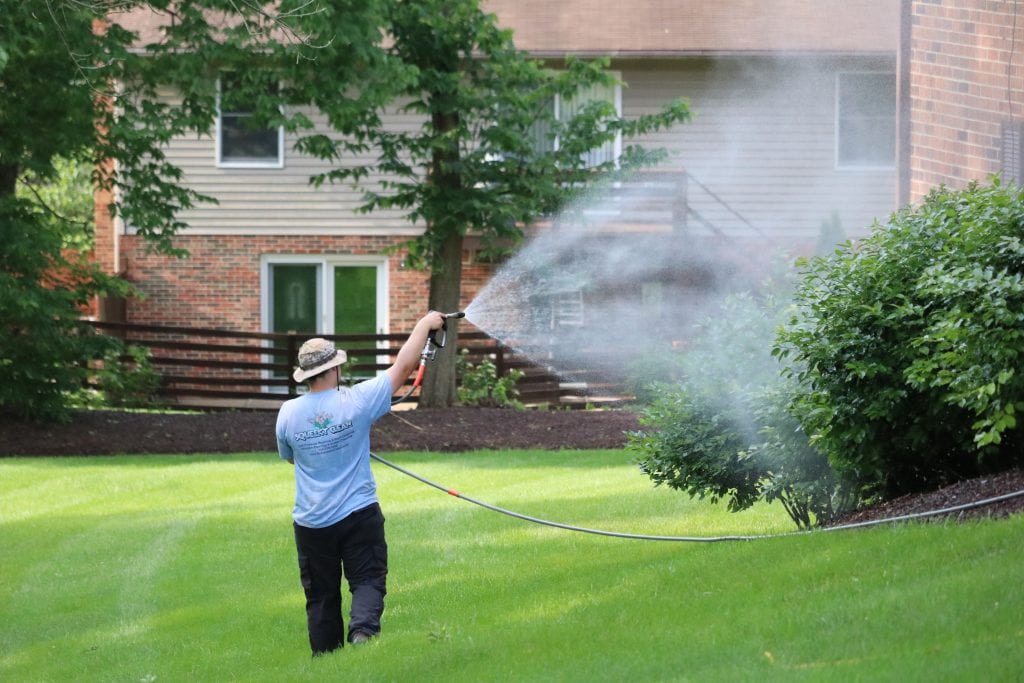
Busy outdoor spaces reveal wear long before walls or roofs. Daily footsteps, vehicle movement, changing weather, and accidental spills slowly change each surface. Dirt settles deeper than ordinary sweeping can reach, leaving walkways dull and less secure. Choosing pressure washing restores appearance while reducing grime that slowly weakens exposed materials over time.
How Busy Walkways Collect Stubborn Residue
Constant movement leaves more than visible dust across outdoor flooring. Shoes carry grit from streets, while vehicles deposit rubber marks and oily residue. Rain pushes debris into tiny surface openings, making stains harder to remove later. Entry paths, café patios, and loading zones often show these changes first because activity never truly slows.
Surface Care Requires Smart Cleaning Choices
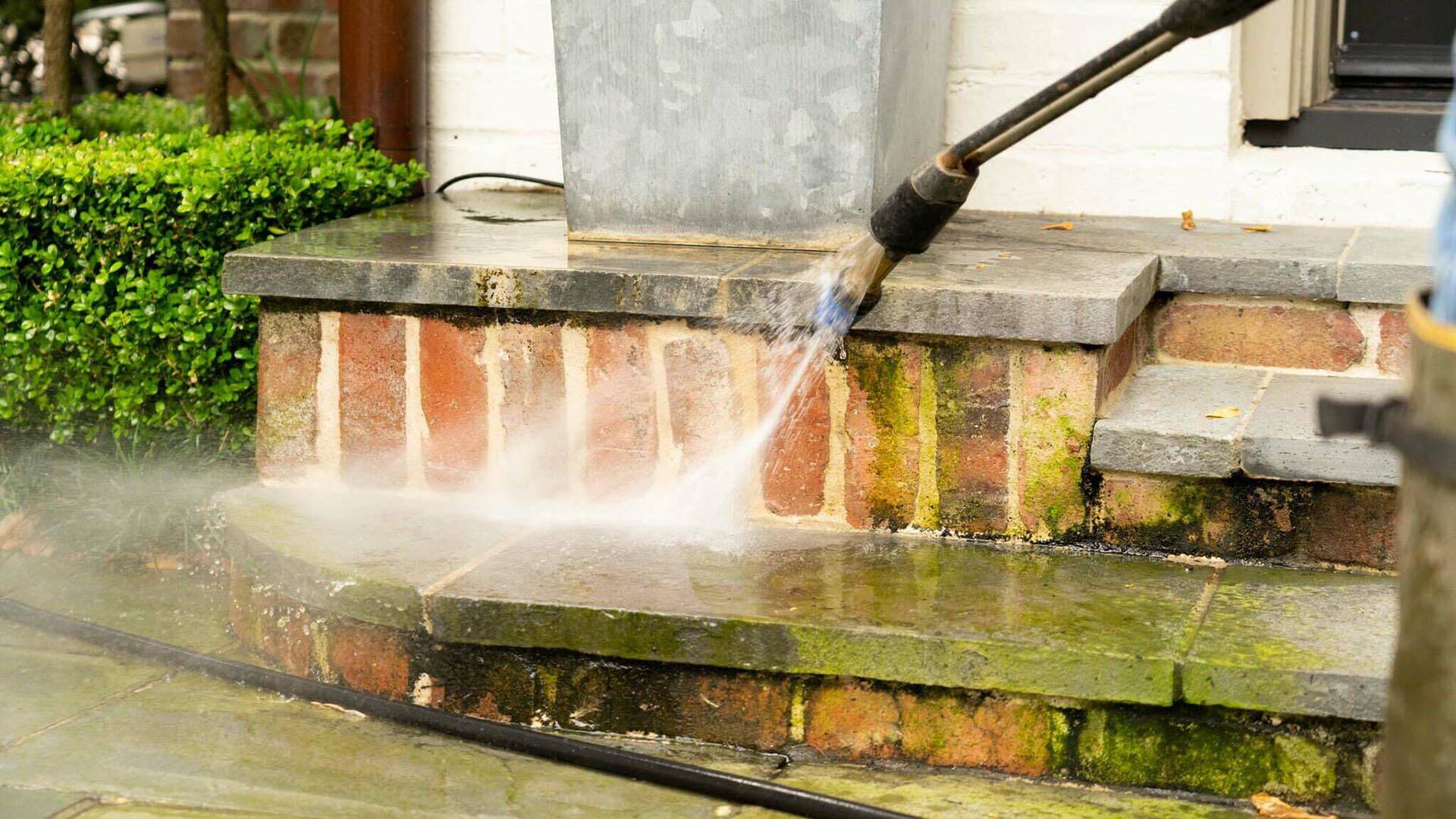
Each material reacts differently under strong water pressure. Concrete tolerates firmer treatment, yet decorative stone benefits from greater control. Brick joints deserve extra attention because trapped moisture encourages unwanted biological growth.
A thoughtful cleaning plan often includes:
- Concrete entrances needing deeper stain removal
- Brick paths requiring controlled pressure
- Pool surrounds needing algae removal
- Restaurant patios exposed to food residue
- Parking bays collecting tire marks
Local Conditions Shape Cleaning Results
Climate leaves a clear mark on outdoor surfaces throughout the year. Damp seasons encourage moss growth, while dry periods allow fine dust to settle across open spaces. Property owners seeking pressure washing hilliard benefit from technicians familiar with local weather patterns because cleaning methods should match environmental conditions rather than follow identical routines.
Which Areas Deserve Early Attention?
Small warning signs deserve attention before permanent marks develop. Ignoring them often increases restoration costs later because contaminants remain longer than expected.
Common locations needing priority include:
- Main entrance walkways
- Public seating spaces
- Driveway turning points
- Service access routes
For example, a restaurant entrance stained by spilled drinks creates a different challenge than a residential driveway carrying engine residue. Each surface deserves a cleaning method matching its condition instead of one identical approach.
Cleaning Protects More Than Appearance
Fresh-looking pavement creates only one advantage after proper treatment. Removing built-up residue reduces slip risks during wet weather while helping textured finishes maintain grip. Painted safety markings remain easier to notice because accumulated grime no longer hides important visual guidance.
Consider these long-term benefits:
- Longer pavement lifespan
- Reduced repair expenses
- Improved visitor confidence
High-Traffic Spaces Stay Safer Longer
Well-maintained entrances reveal attention before anyone reaches the doorway. Clean brick joints, safer walking paths, and visible pavement markings create lasting value beyond appearance alone. Regular care preserves outdoor materials while reducing avoidable repairs, making targeted maintenance a practical investment rather than an occasional cosmetic upgrade.
Common Questions Property Owners Ask
How often should busy outdoor areas receive cleaning?
Traffic levels determine suitable intervals more than calendar dates.
Can strong washing damage outdoor surfaces?
Correct pressure selection protects materials while removing stubborn buildup.
Does every stain disappear immediately?
Deep discoloration sometimes needs repeated treatment for noticeable improvement.