Understanding the Evolution of Orthodontic Treatment
The world of orthodontics has witnessed a remarkable transformation over the past two decades, with clear aligner technology emerging as a sophisticated alternative to conventional metal braces. Whilst traditional braces have long been the cornerstone of orthodontic treatment, they occasionally fall short when addressing certain nuanced bite irregularities that require a more refined approach. Modern clear aligner systems, such as Invisalign Leeds, have evolved to tackle these complex cases with impressive precision, offering patients solutions that were previously difficult to achieve with fixed appliances alone.
The intricate nature of malocclusion extends far beyond simple tooth alignment. Many patients present with multifaceted bite problems that involve rotations, extrusions, and intrusions requiring meticulous attention to detail. These complexities often demand treatment modalities that can apply forces in multiple directions simultaneously whilst allowing for precise adjustments throughout the treatment journey. Clear aligner technology has risen to this challenge through innovative design features and advanced digital planning capabilities.
The Limitations of Traditional Braces in Complex Cases
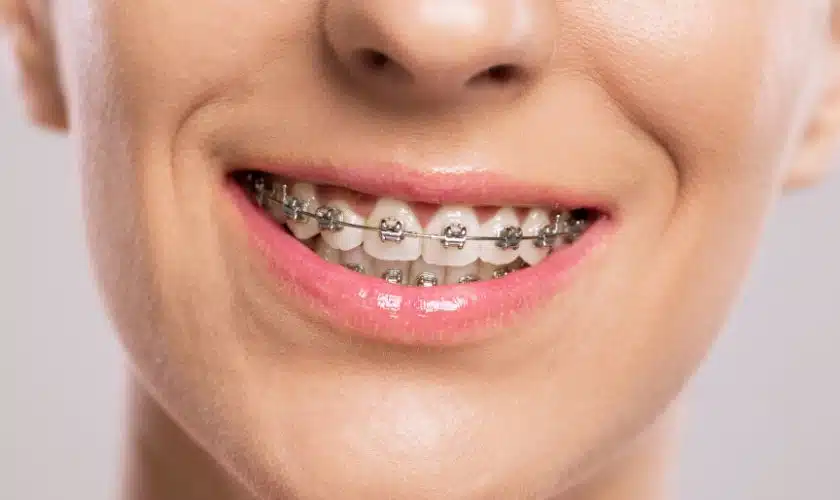
Traditional metal braces excel in many orthodontic scenarios, yet they possess inherent limitations when confronting certain bite irregularities. Fixed appliances typically apply continuous forces in predetermined directions, which can make it challenging to address issues such as posterior open bites, severe rotations of rounded teeth, and precise vertical movements. The biomechanics of traditional orthodontic appliances and their mechanisms sometimes restrict the ability to achieve optimal results in cases requiring highly specific tooth movements.
Furthermore, traditional braces can struggle with achieving ideal torque control in certain situations, particularly when attempting to correct deep bites or address intrusion needs in the anterior region. The wire and bracket system, whilst effective for many movements, may require numerous auxiliary appliances and extended treatment times to accomplish what clear aligners can achieve through their comprehensive, full-coverage design. This is particularly relevant when examining different classes of malocclusion and their treatment requirements, where precision becomes paramount.
How Clear Aligner Technology Tackles Overlooked Bite Issues
Precision Control Through Digital Planning
One of the most significant advantages of Invisalign practitioners can offer lies in the digital treatment planning process. Advanced software allows orthodontists to visualise the entire treatment sequence before fabrication begins, enabling them to identify and address potential challenges that might be overlooked with traditional approaches.
Addressing Posterior Open Bites
Posterior open bites represent one of the most challenging conditions to correct with traditional braces, as they require precise intrusion of posterior teeth whilst maintaining anterior positioning. Clear aligner technology excels in this area through its ability to apply intrusive forces across multiple teeth simultaneously. The full-coverage design of the aligners creates a intrusive effect on posterior teeth when patients bite down, effectively closing the open bite without requiring complex auxiliary appliances or patient compliance with elastics.
Managing Severe Rotations and Rounded Teeth
Rotating rounded teeth such as canines and premolars has historically posed difficulties for bracket-and-wire systems due to limited surface area for attachment. Clear aligners address this through strategically placed attachments that provide enhanced rotational control. These small, tooth-coloured composite additions create leverage points that allow the aligner to grip the tooth more effectively, facilitating rotations that would otherwise require extended treatment times or surgical intervention.
Vertical Dimension Control
Managing the vertical dimension of occlusion requires careful consideration of how teeth erupt, intrude, or extrude during treatment. Clear aligners offer superior control over these movements through their ability to apply forces across the entire crown of each tooth. This becomes particularly valuable when addressing deep bites, where anterior intrusion must occur without unwanted posterior extrusion. Understanding various malocclusion types and their specific treatment approaches highlights why this level of control proves essential for optimal outcomes.
The Role of Compliance and Monitoring
The success of Invisalign treatments depends significantly upon patient compliance and regular monitoring. Modern clear aligner systems incorporate compliance indicators and remote monitoring capabilities that allow orthodontists to track progress between appointments. This technological integration ensures that complex bite corrections proceed according to plan, with opportunities for mid-course adjustments when necessary. The removable nature of aligners, whilst requiring discipline, also permits superior oral hygiene maintenance compared to fixed appliances, reducing the risk of complications during extended treatment periods.
Achieving Optimal Results Through Advanced Technology
The convergence of digital planning, biomechanical innovation, and material science has positioned clear aligner technology as a formidable solution for complex orthodontic cases. Whilst traditional braces maintain their place in orthodontic practice, the ability of modern aligner systems to address previously challenging bite problems represents a significant advancement in patient care. As technology continues to evolve, the scope of treatable conditions expands, offering hope to patients with intricate orthodontic needs who seek discreet, effective solutions.