• Dental

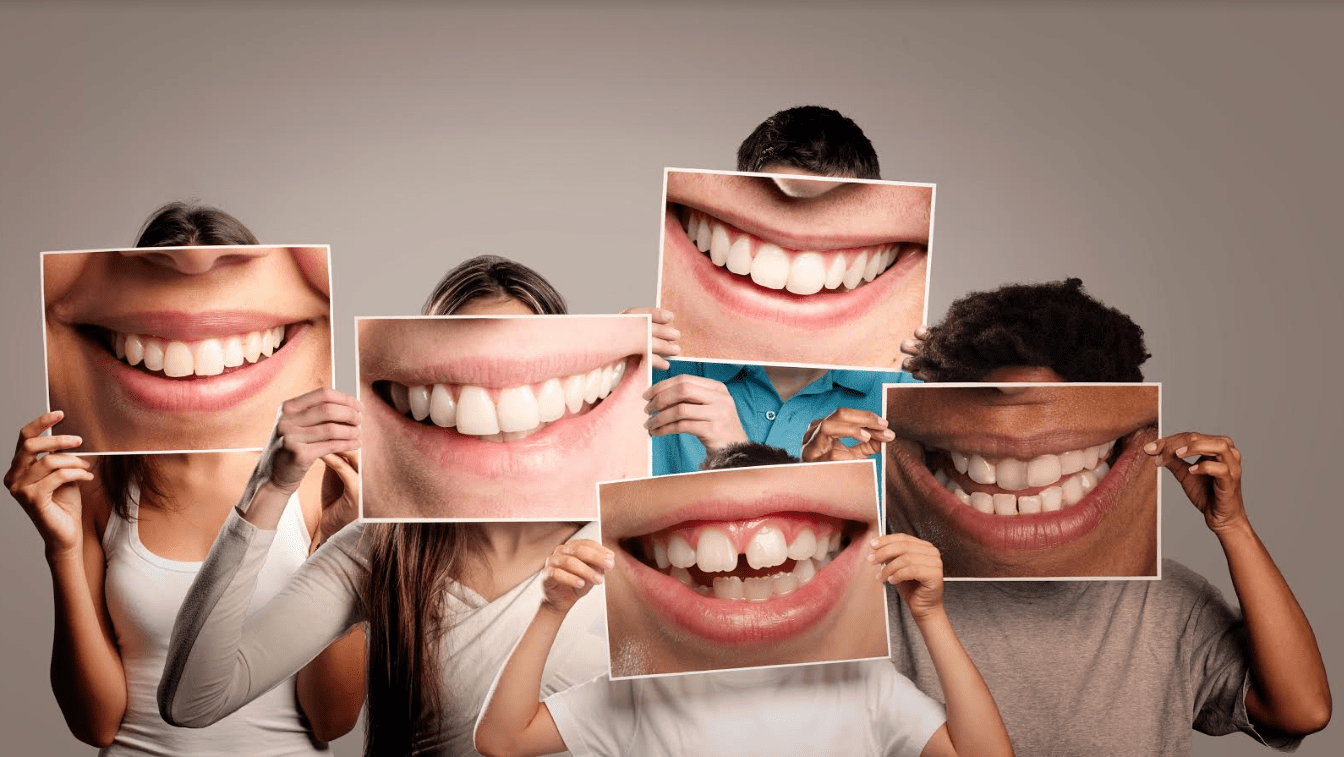
    Why Your Gums Deserve More Attention Than Your Teeth

    The Overlooked Foundation of Oral Health

    When most people think about dental care from a dentist Meath, their minds immediately jump to teeth. Whitening strips, cavity prevention, and that perfect Hollywood smile dominate the conversation. Yet lurking beneath this enamel obsession is a far more critical component of oral health that rarely receives the spotlight it deserves: the gums. These soft tissues are the unsung heroes of the mouth, providing the foundation upon which dental health is built. Without healthy gums, even the most pristine teeth are destined for trouble.

    The relationship between gums and overall health extends far beyond the mouth itself. Research has consistently demonstrated that gum disease can have profound effects on the entire body, influencing everything from cardiovascular health to diabetes management. Despite this, gum health remains an afterthought for many individuals who meticulously brush and floss their teeth whilst neglecting the pink tissues that hold them in place. This oversight can prove costly, both financially and physically, as gum disease progresses silently until significant damage has already occurred.

    Understanding the Silent Progression of Gum Disease

    One of the most insidious aspects of gum disease is its stealthy nature. Unlike a toothache that announces itself with sharp, unmistakable pain, gum disease often develops gradually with subtle symptoms that many people dismiss as insignificant. A bit of bleeding when brushing, slightly swollen gums after eating certain foods, or occasional tenderness might seem like minor inconveniences rather than warning signs of a developing condition.

    The progression typically begins with gingivitis, an inflammation of the gums caused by plaque accumulation along the gum line. At this stage, the condition remains reversible with proper care and attention. However, when left untreated, gingivitis can advance to periodontitis, a more severe form of gum disease that affects the bones and tissues supporting the teeth. This advanced stage can lead to tooth loss, receding gums, and persistent infections that require extensive intervention from a dentist for comprehensive periodontal care.

    The Systemic Connection Between Gums and Overall Health

    The mouth serves as a gateway to the body, and the state of one’s gums can offer valuable insights into overall health. The connection between gum health and cardiovascular disease has been particularly well-documented, with studies suggesting that inflammation in the gums may contribute to inflammation throughout the body. Bacteria from infected gums can enter the bloodstream, potentially affecting the heart and other vital organs.

    Beyond cardiovascular concerns, gum disease has been linked to complications in diabetes management, respiratory infections, and even adverse pregnancy outcomes. The bidirectional relationship between gum health and systemic conditions means that maintaining healthy gums isn’t merely about preserving one’s smile—it’s about protecting overall wellbeing. This broader perspective on oral health has prompted many dental professionals to emphasise preventive gum care as a cornerstone of comprehensive healthcare.

    Practical Steps for Superior Gum Health

    Fortunately, maintaining healthy gums doesn’t require elaborate rituals or expensive equipment. The fundamentals remain refreshingly straightforward, though they do require consistency and proper technique. Regular brushing should focus not only on tooth surfaces but also on the gum line, where plaque tends to accumulate. Using a soft-bristled toothbrush at a forty-five-degree angle allows for effective cleaning without causing trauma to delicate gum tissue.

    Flossing remains non-negotiable for gum health, as it removes debris and bacteria from areas that brushing simply cannot reach. Understanding the prevalence and impact of periodontal disease underscores the importance of this often-skipped step in daily oral hygiene routines. Additionally, regular professional cleanings allow dental practitioners to remove tartar build-up and identify early signs of gum disease before they progress to more serious stages.

    Taking Gum Health Seriously

    The evidence is clear: gums deserve equal, if not greater, attention than teeth themselves. As the foundation of oral health and a significant factor in overall wellbeing, healthy gums should be a priority for everyone. Whether consulting with a dentist locals recommend or simply improving daily oral hygiene habits, investing in gum health pays dividends that extend far beyond the mouth. The time to start taking gums seriously is now, before minor inflammation becomes a major health concern.

  • Dental

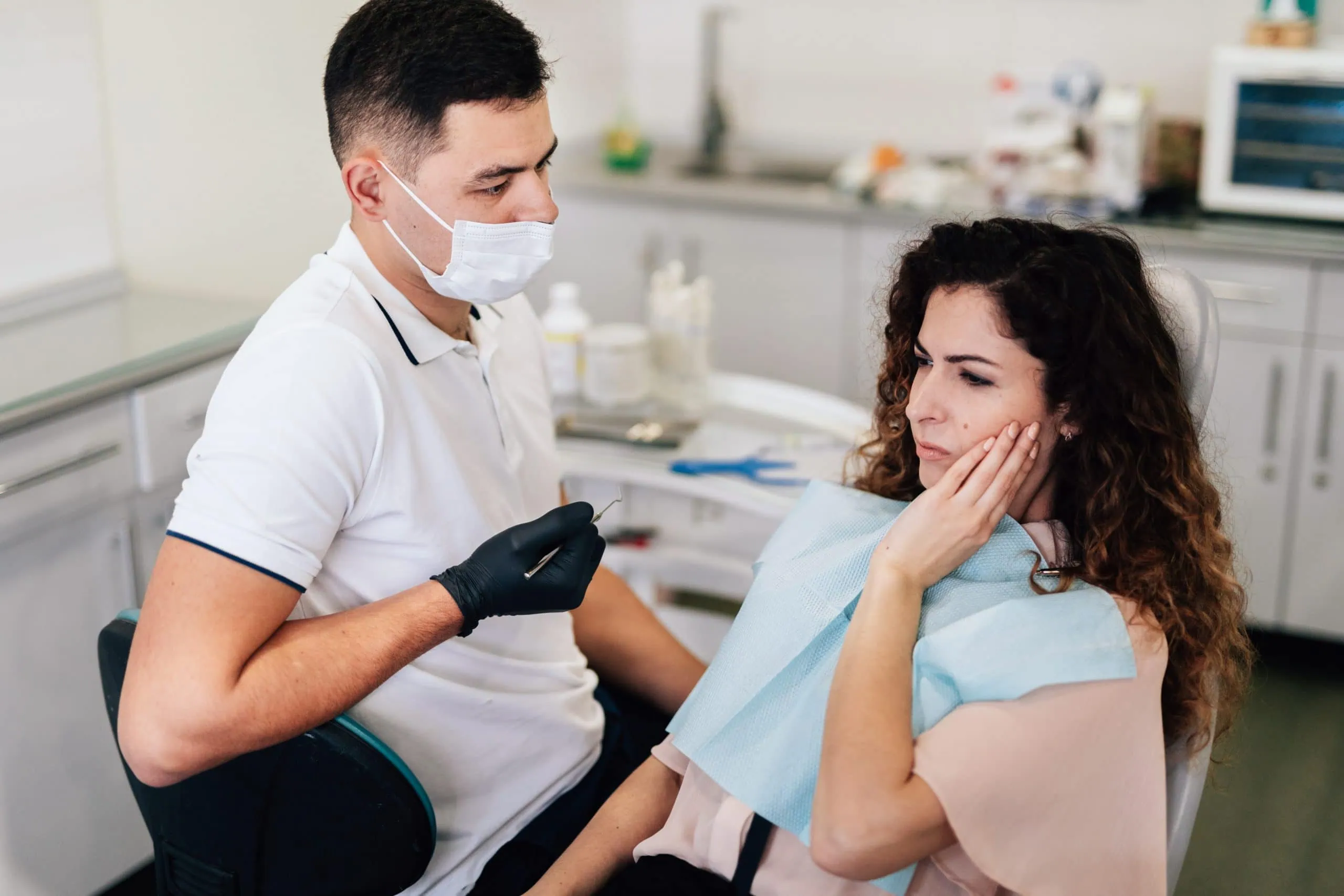
    How Invisalign Technology Addresses Complex Bite Problems Often Overlooked by Traditional Braces

    Understanding the Evolution of Orthodontic Treatment

    The world of orthodontics has witnessed a remarkable transformation over the past two decades, with clear aligner technology emerging as a sophisticated alternative to conventional metal braces. Whilst traditional braces have long been the cornerstone of orthodontic treatment, they occasionally fall short when addressing certain nuanced bite irregularities that require a more refined approach. Modern clear aligner systems, such as Invisalign Leeds, have evolved to tackle these complex cases with impressive precision, offering patients solutions that were previously difficult to achieve with fixed appliances alone.

    The intricate nature of malocclusion extends far beyond simple tooth alignment. Many patients present with multifaceted bite problems that involve rotations, extrusions, and intrusions requiring meticulous attention to detail. These complexities often demand treatment modalities that can apply forces in multiple directions simultaneously whilst allowing for precise adjustments throughout the treatment journey. Clear aligner technology has risen to this challenge through innovative design features and advanced digital planning capabilities.

    The Limitations of Traditional Braces in Complex Cases

    Traditional metal braces excel in many orthodontic scenarios, yet they possess inherent limitations when confronting certain bite irregularities. Fixed appliances typically apply continuous forces in predetermined directions, which can make it challenging to address issues such as posterior open bites, severe rotations of rounded teeth, and precise vertical movements. The biomechanics of traditional orthodontic appliances and their mechanisms sometimes restrict the ability to achieve optimal results in cases requiring highly specific tooth movements.

    Furthermore, traditional braces can struggle with achieving ideal torque control in certain situations, particularly when attempting to correct deep bites or address intrusion needs in the anterior region. The wire and bracket system, whilst effective for many movements, may require numerous auxiliary appliances and extended treatment times to accomplish what clear aligners can achieve through their comprehensive, full-coverage design. This is particularly relevant when examining different classes of malocclusion and their treatment requirements, where precision becomes paramount.

    How Clear Aligner Technology Tackles Overlooked Bite Issues

    Precision Control Through Digital Planning

    One of the most significant advantages of Invisalign practitioners can offer lies in the digital treatment planning process. Advanced software allows orthodontists to visualise the entire treatment sequence before fabrication begins, enabling them to identify and address potential challenges that might be overlooked with traditional approaches.

    Addressing Posterior Open Bites

    Posterior open bites represent one of the most challenging conditions to correct with traditional braces, as they require precise intrusion of posterior teeth whilst maintaining anterior positioning. Clear aligner technology excels in this area through its ability to apply intrusive forces across multiple teeth simultaneously. The full-coverage design of the aligners creates a intrusive effect on posterior teeth when patients bite down, effectively closing the open bite without requiring complex auxiliary appliances or patient compliance with elastics.

    Managing Severe Rotations and Rounded Teeth

    Rotating rounded teeth such as canines and premolars has historically posed difficulties for bracket-and-wire systems due to limited surface area for attachment. Clear aligners address this through strategically placed attachments that provide enhanced rotational control. These small, tooth-coloured composite additions create leverage points that allow the aligner to grip the tooth more effectively, facilitating rotations that would otherwise require extended treatment times or surgical intervention.

    Vertical Dimension Control

    Managing the vertical dimension of occlusion requires careful consideration of how teeth erupt, intrude, or extrude during treatment. Clear aligners offer superior control over these movements through their ability to apply forces across the entire crown of each tooth. This becomes particularly valuable when addressing deep bites, where anterior intrusion must occur without unwanted posterior extrusion. Understanding various malocclusion types and their specific treatment approaches highlights why this level of control proves essential for optimal outcomes.

    The Role of Compliance and Monitoring

    The success of Invisalign treatments depends significantly upon patient compliance and regular monitoring. Modern clear aligner systems incorporate compliance indicators and remote monitoring capabilities that allow orthodontists to track progress between appointments. This technological integration ensures that complex bite corrections proceed according to plan, with opportunities for mid-course adjustments when necessary. The removable nature of aligners, whilst requiring discipline, also permits superior oral hygiene maintenance compared to fixed appliances, reducing the risk of complications during extended treatment periods.

    Achieving Optimal Results Through Advanced Technology

    The convergence of digital planning, biomechanical innovation, and material science has positioned clear aligner technology as a formidable solution for complex orthodontic cases. Whilst traditional braces maintain their place in orthodontic practice, the ability of modern aligner systems to address previously challenging bite problems represents a significant advancement in patient care. As technology continues to evolve, the scope of treatable conditions expands, offering hope to patients with intricate orthodontic needs who seek discreet, effective solutions.

  • Dental

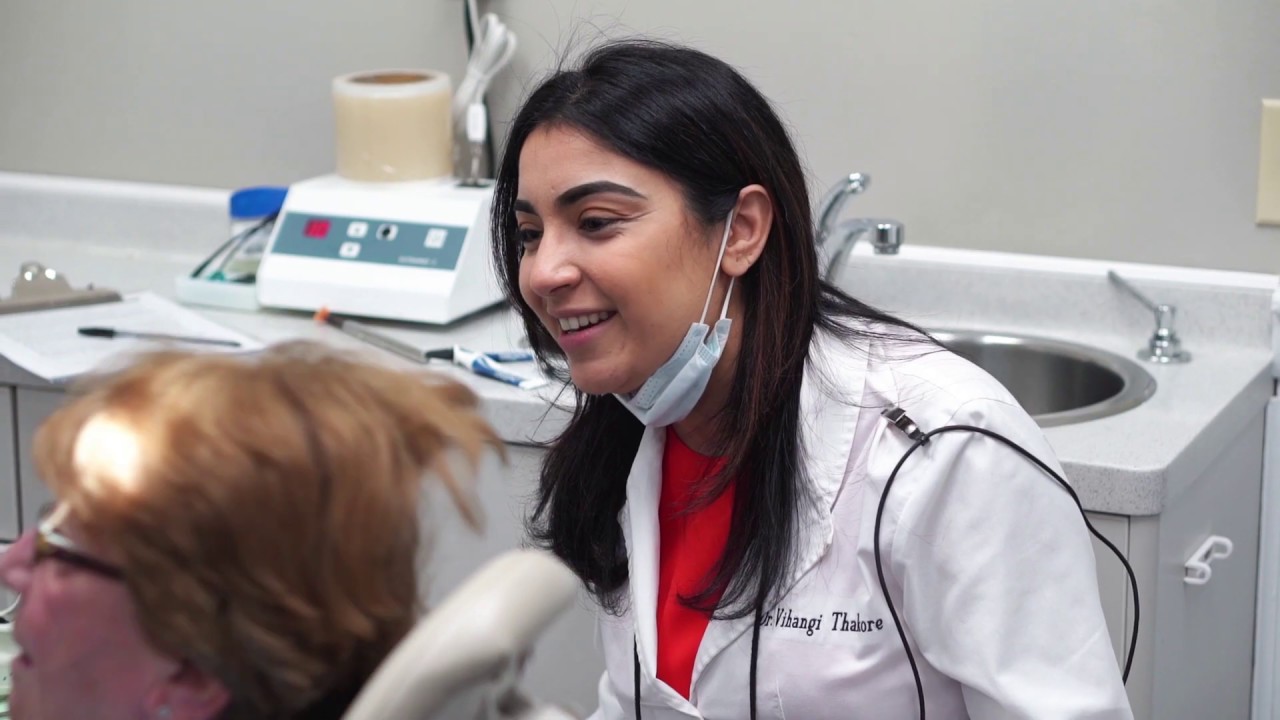
    The Impact of Orthodontic Innovations on Adult Smiles

    The Adult Orthodontic Revolution

    Gone are the days when orthodontic treatment was solely the domain of teenagers sporting metallic grins. The landscape of adult orthodontics has undergone a remarkable transformation, driven by technological innovations that have made smile correction more accessible, comfortable, and aesthetically pleasing than ever before. This evolution has fundamentally changed how adults approach dental alignment, creating opportunities for individuals who previously felt they had missed their chance for a perfect smile provided by professionals such as a dentist Leatherhead.

    The modern adult seeking orthodontic treatment benefits from a wealth of options that simply didn’t exist a generation ago. Traditional metal braces, whilst still effective, now compete with sophisticated alternatives that cater specifically to the lifestyle demands and aesthetic preferences of working professionals. This shift has democratised orthodontic care, making it socially acceptable and practically feasible for adults across all age groups to pursue the smile they’ve always desired.

    Invisible Aligners: The Game-Changing Technology

    Clear aligner technology represents perhaps the most significant breakthrough in adult orthodontics, offering a virtually invisible solution to teeth straightening. These custom-made, removable trays use advanced 3D imaging and computer modelling to gradually shift teeth into their optimal positions. The convenience factor cannot be overstated – adults can maintain their professional appearance whilst undergoing treatment, removing aligners for important meetings, meals, and social occasions.

    The precision offered by modern aligner systems has reached impressive levels of sophistication. Computer algorithms now predict tooth movement with remarkable accuracy, allowing patients to visualise their expected results before treatment even begins. This technological advancement has increased patient confidence and treatment compliance, as individuals can see the journey their smile will take over the coming months.

    Advanced Bracket Systems and Ceramic Options

    For those who prefer fixed appliances, the evolution of bracket technology has produced remarkably discreet options. Ceramic braces utilise tooth-coloured or clear brackets that blend seamlessly with natural tooth enamel, making them significantly less noticeable than their metal predecessors. These systems maintain the effectiveness of traditional braces whilst addressing the aesthetic concerns that often deter adults from seeking treatment.

    Self-ligating brackets represent another innovation that has improved the adult orthodontic experience. These systems reduce friction and often require fewer adjustment appointments, making treatment more convenient for busy professionals. The reduced treatment times associated with some of these advanced systems mean that adults can achieve their desired results more quickly, minimising the disruption to their established routines. Many patients seeking these innovative treatments find excellent care, where modern practices offer comprehensive adult orthodontic services.

    Digital Technology and Treatment Planning

    The integration of digital technology has revolutionised how orthodontic treatment is planned and executed. Three-dimensional imaging and digital scanning have replaced uncomfortable impression materials, providing patients with a more pleasant experience from the very first appointment. These technologies enable practitioners to create precise treatment plans that account for individual facial structures and bite patterns, resulting in more predictable and superior outcomes.

    Artificial intelligence now plays an increasingly important role in treatment planning, analysing thousands of similar cases to suggest optimal treatment approaches. This data-driven methodology has improved treatment efficiency and reduced the likelihood of complications, giving adults greater confidence in their orthodontic journey. The ability to monitor progress remotely through smartphone applications has also enhanced the patient experience, allowing for timely adjustments without unnecessary practice visits.

    Accelerated Treatment Options

    Time-conscious adults have welcomed the development of accelerated orthodontic techniques that can reduce treatment duration significantly. Technologies such as high-frequency vibration devices and photobiomodulation therapy work to stimulate bone remodelling, allowing teeth to move more quickly and comfortably. These innovative orthodontic technologies have made it possible for some patients to achieve their desired results in half the traditional treatment time.

    Micro-osteoperforations and other minimally invasive surgical techniques can further accelerate tooth movement for suitable candidates. These procedures, whilst requiring careful consideration, offer adults the possibility of completing their orthodontic treatment within months rather than years, making the prospect far more appealing to those with demanding careers and social commitments.

    The Psychological and Professional Benefits

    The impact of these orthodontic innovations extends far beyond mere aesthetics. Adults who undergo treatment often report increased confidence in professional settings, improved self-esteem, and enhanced social interactions. The discretion offered by modern treatment options means that colleagues and clients may never even notice that orthodontic treatment is taking place, eliminating the social anxiety that previously deterred many adults from seeking care.

    Research has shown that adults with aligned smiles are often perceived as more successful, trustworthy, and approachable in professional environments. These modern approaches to adult orthodontic care have made these benefits accessible to a broader demographic than ever before.

    Looking Forward: The Future of Adult Orthodontics

    The continuous evolution of orthodontic technology promises even more exciting developments for adult patients. From smart braces that monitor treatment progress to bioengineered materials that work more harmoniously with natural tooth structure, the future holds tremendous potential. These innovations ensure that adult orthodontic treatment will continue to become more efficient, comfortable, and accessible, helping countless individuals achieve the confident smiles they deserve throughout their lives.

  • Dental

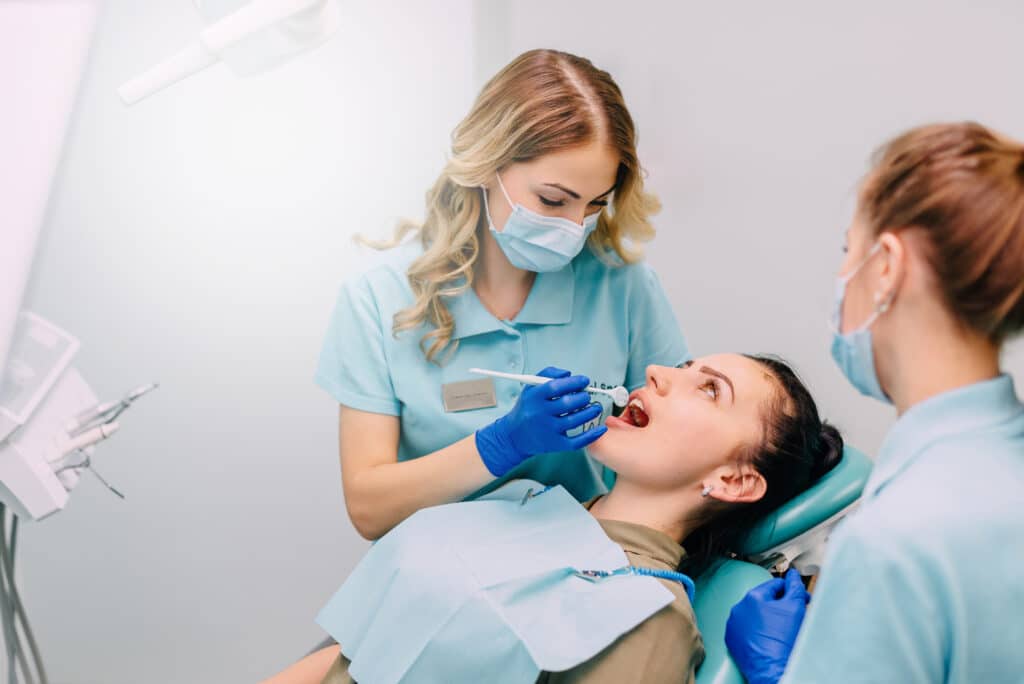
    Demystifying Digital Dentistry: Innovations Transforming Oral Care

    The Digital Revolution in Dental Practices

    The landscape of oral healthcare has undergone a remarkable transformation in recent years, with digital technology revolutionising how dental professionals diagnose, treat, and care for their patients. Gone are the days when dental visits were solely associated with traditional methods and uncomfortable procedures. Today’s dentist Borehamwood are embracing cutting-edge innovations that enhance patient comfort whilst delivering superior clinical outcomes.

    Digital dentistry represents a paradigm shift that encompasses everything from diagnostic imaging to treatment planning and restorative procedures. This technological evolution has not only improved the precision of dental treatments but has also significantly enhanced the overall patient experience. Modern dental practices are increasingly adopting these advanced technologies to provide more efficient, accurate, and comfortable care for their patients.

    Advanced Imaging Technologies

    One of the most significant breakthroughs in digital dentistry has been the development of sophisticated imaging systems. Digital radiography has largely replaced traditional film-based X-rays, offering numerous advantages including reduced radiation exposure, instant image availability, and enhanced diagnostic capabilities. These systems allow dental professionals to detect issues that might have been missed with conventional methods.

    Three-dimensional cone beam computed tomography (CBCT) has further revolutionised dental diagnostics by providing detailed cross-sectional images of teeth, soft tissues, nerve pathways, and bone structure. This technology enables practitioners to plan complex procedures with unprecedented accuracy, particularly beneficial for implant placement and orthodontic treatments.

    Intraoral Scanning Revolution

    Intraoral scanners have transformed the way dental impressions are taken, eliminating the need for messy traditional impression materials. These sophisticated devices create highly accurate digital models of patients’ teeth and gums within minutes, significantly improving patient comfort whilst enhancing the precision of prosthetic work. The American Dental Association’s comprehensive guide to digital dentistry technologies highlights how these innovations are becoming standard practice across modern dental facilities.

    Computer-Aided Design and Manufacturing

    The integration of computer-aided design and computer-aided manufacturing (CAD/CAM) technology has revolutionised restorative dentistry. This sophisticated system allows dental professionals to design and fabricate crowns, bridges, veneers, and other prosthetic devices directly within the practice, often completing treatments in a single visit rather than requiring multiple appointments.

    The precision offered by CAD/CAM systems ensures optimal fit and function of dental restorations whilst reducing the margin for human error. Patients benefit from reduced treatment times, fewer appointments, and restorations that are often superior in quality to those produced through traditional laboratory methods. This technology has particularly transformed cosmetic dentistry, allowing for highly aesthetic results that blend seamlessly with natural teeth.

    3D Printing in Dental Applications

    Three-dimensional printing has emerged as a game-changing technology in dental practices, enabling the production of surgical guides, temporary crowns, orthodontic appliances, and even dental models. This innovation allows for rapid prototyping and customisation of dental devices, significantly reducing production times and costs whilst maintaining exceptional quality standards.

    The versatility of 3D printing extends to complex procedures such as implant surgery, where custom surgical guides ensure precise placement and optimal outcomes. UCLA’s innovative digital dentistry systems demonstrate how academic institutions are pioneering these technologies for future dental professionals.

    Artificial Intelligence and Predictive Analytics

    Artificial intelligence is increasingly playing a crucial role in dental diagnostics and treatment planning. AI-powered systems can analyse radiographs and clinical images to identify potential issues such as cavities, periodontal disease, and oral pathology with remarkable accuracy. These systems serve as valuable diagnostic aids, helping practitioners detect conditions in their earliest stages when treatment is most effective.

    Machine learning algorithms are also being employed to predict treatment outcomes and optimise treatment plans based on vast databases of clinical cases. This technology enables more personalised care approaches and helps patients make informed decisions about their treatment options. The emerging digital dental trends for 2026 indicate that AI integration will become even more sophisticated in the coming years.

    The Future of Oral Healthcare

    Digital dentistry continues to evolve at a rapid pace, with innovations constantly emerging to further improve patient care and clinical outcomes. Modern dental practices, including progressive clinics such as those operated by a forward-thinking dental team, are embracing these technologies to provide exceptional care that combines traditional expertise with cutting-edge innovation. As these technologies become more accessible and refined, patients can expect even more comfortable, efficient, and effective dental treatments that prioritise both oral health and overall well-being.

  • Dental

    Orthodontic Innovations: Enhancing Longevity and Resilience of Your Smile

    The Evolution of Modern Orthodontic Care

    The world of orthodontics has undergone a remarkable transformation over the past decade, with cutting-edge technologies revolutionising how dental professionals approach smile enhancement and correction. Gone are the days when traditional metal braces were the sole option for patients seeking straighter teeth. Today’s orthodontist London offers an array of sophisticated solutions that prioritise both effectiveness and patient comfort, ensuring that achieving the perfect smile is more accessible and appealing than ever before.

    Modern orthodontic practices have embraced digital technology, artificial intelligence, and biocompatible materials to create treatment plans that are not only more precise but also significantly more comfortable for patients. These advancements have fundamentally changed the patient experience, making orthodontic treatment a journey that many individuals actively look forward to rather than endure.

    Revolutionary Technologies Transforming Treatment

    Digital Scanning and 3D Modelling

    The introduction of intraoral scanners has eliminated the need for uncomfortable impression moulds, replacing them with precise digital scans that capture every detail of a patient’s dental structure. These sophisticated devices create detailed 3D models within minutes, allowing orthodontists to visualise treatment outcomes before beginning any intervention. The accuracy of these digital impressions surpasses traditional methods, resulting in better-fitting appliances and more predictable results.

    Furthermore, advanced software enables practitioners to simulate various treatment scenarios, helping patients understand their options and make informed decisions about their care. This technology has proven particularly valuable for complex cases where multiple treatment approaches might be considered, as highlighted in recent developments in orthodontic treatment methodologies.

    Clear Aligner Technology

    Clear aligners represent perhaps the most significant breakthrough in orthodontic treatment, offering patients a virtually invisible alternative to traditional braces. These custom-made, removable appliances use advanced thermoplastic materials that apply gentle, consistent pressure to guide teeth into their optimal positions. The convenience and aesthetic appeal of clear aligners have made orthodontic treatment accessible to adults who previously avoided correction due to professional or social concerns.

    The precision manufacturing process behind these aligners involves sophisticated algorithms that calculate the exact movements required at each stage of treatment. Patients receive a series of aligners, each designed to achieve specific tooth movements over predetermined timeframes, ensuring steady progress towards their desired outcome.

    Artificial Intelligence and Predictive Analytics

    The integration of artificial intelligence into orthodontic practice has opened unprecedented possibilities for treatment planning and outcome prediction. Machine learning algorithms analyse vast databases of successful treatments to identify patterns and recommend optimal approaches for individual cases. This technology assists practitioners in making more informed decisions whilst reducing treatment times and improving overall success rates.

    AI-powered diagnostic tools can detect subtle irregularities that might be overlooked during traditional examinations, ensuring comprehensive treatment plans that address both obvious and underlying issues. The role of artificial intelligence in orthodontic innovation continues to expand, promising even more sophisticated applications in the near future.

    Enhanced Materials and Biocompatibility

    Contemporary orthodontic appliances utilise advanced materials engineered for optimal biocompatibility and durability. Modern brackets are smaller, smoother, and more comfortable than their predecessors, whilst maintaining superior strength and precision. Nickel-free options accommodate patients with metal sensitivities, ensuring that allergic reactions no longer prevent individuals from receiving necessary treatment.

    Self-ligating brackets represent another significant advancement, eliminating the need for elastic ties and reducing friction during tooth movement. These innovative devices allow teeth to move more freely and comfortably, often resulting in shorter treatment times and fewer adjustment appointments.

    Patient-Centred Approaches and Customisation

    Modern orthodontic care emphasises individualised treatment plans that consider each patient’s unique anatomy, lifestyle, and aesthetic preferences. Advanced imaging techniques enable practitioners to create highly customised appliances that fit perfectly and function optimally. This personalised approach extends beyond the technical aspects of treatment to encompass patient education and involvement in decision-making processes.

    Many practices now offer virtual consultations and remote monitoring capabilities, allowing patients to receive expert guidance without frequent office visits. This flexibility particularly benefits busy professionals and students who might otherwise struggle to maintain regular appointments. Those seeking expert care can find experienced specialists, including a qualified orthodontist in London residents trust for comprehensive treatment.

    Looking Towards the Future of Orthodontic Excellence

    The continuous evolution of orthodontic technology promises even more exciting developments on the horizon. From smart brackets that monitor tooth movement to accelerated treatment protocols, the future holds tremendous potential for further improving patient outcomes. These innovations in orthodontics and the future of braces suggest that achieving a perfect smile will become increasingly efficient, comfortable, and accessible to patients of all ages.

  • Dental

    Unveiling the Role of Epigenetics in Personalised Dental Care

    The Evolution of Modern Dentistry

    In recent years, the field of dentistry has undergone a remarkable transformation, moving beyond traditional treatment approaches to embrace cutting-edge scientific discoveries. At the forefront of this revolution is epigenetics, a fascinating area of study that explores how environmental factors influence gene expression without altering DNA sequences. For those seeking advanced dental care, consulting a private dentist Manchester who understands these innovative approaches can make a significant difference in treatment outcomes.

    Understanding Epigenetics in Oral Health

    Recent advances in epigenetic research have revealed crucial insights into oral disease development and prevention, transforming our understanding of dental care. These discoveries have highlighted how lifestyle choices and environmental factors can influence oral health at a molecular level.

    Key Epigenetic Factors in Dental Health

    Several environmental and lifestyle factors can trigger epigenetic changes that affect oral health:

    • Dietary choices and nutrition
    • Oral hygiene practices
    • Stress levels and management
    • Environmental toxin exposure
    • Sleep patterns and quality

    Personalised Treatment Approaches

    Modern epigenetic research has demonstrated that individual genetic expressions can significantly impact dental treatment effectiveness, leading to more personalised approaches in dental care. This scientific breakthrough has enabled dental professionals to develop targeted treatment strategies based on each patient’s unique genetic profile and environmental factors. Through epigenetic testing and analysis, dental practitioners can now better understand why certain patients may be more susceptible to specific oral health conditions. This knowledge allows for the development of preventive strategies and targeted interventions that address individual risk factors.

    Benefits of Epigenetic-Based Dental Care

    The integration of epigenetics into dental practice offers numerous advantages:

    1. More accurate prediction of disease risk
    2. Better prevention strategies
    3. Personalised treatment plans
    4. Improved treatment outcomes
    5. Long-term cost effectiveness

    These advancements have particularly revolutionised how dental professionals approach complex cases, enabling them to provide more effective and tailored solutions for their patients.

    Applications in Preventive Dentistry

    Understanding epigenetic factors has revolutionised preventive dentistry, allowing practitioners to identify potential oral health issues before they manifest clinically. This proactive approach enables dental professionals to intervene early, potentially preventing the development of serious oral health conditions. For individuals seeking comprehensive care, a specialised understanding of epigenetics in dental care can significantly improve treatment outcomes.

    The Role of Environmental Factors

    Environmental influences play a crucial role in oral health through epigenetic modifications. These factors include:

    • Chemical exposure through dental materials
    • Oral microbiome composition
    • Professional cleaning frequency
    • Lifestyle habits and choices

    When visiting a dentist, patients can receive guidance on how these environmental factors might affect their oral health and learn strategies to optimise their dental care routine accordingly.

    Future Implications for Dental Care

    The integration of epigenetics into dental practice continues to evolve, promising even more sophisticated approaches to oral healthcare. This advancement suggests a future where dental treatments can be increasingly customised to each patient’s unique genetic profile and environmental circumstances.

    Emerging Technologies and Treatments

    New technologies are being developed to harness epigenetic insights for improved dental care:

    1. Advanced diagnostic tools for early detection
    2. Personalised preventive protocols
    3. Targeted therapeutic interventions
    4. Biomarker-based treatment planning

    Moving Forward in Dental Healthcare

    The incorporation of epigenetics into dental practice represents a significant step forward in the field of oral healthcare. As research continues to advance, practitioners and patients alike will benefit from increasingly sophisticated and personalised treatment approaches. This evolution in dental care promises more effective, efficient, and tailored solutions for maintaining optimal oral health. By understanding and applying epigenetic principles, dental professionals can offer more comprehensive care that considers not just the immediate dental concerns but also the broader factors influencing oral health. This holistic approach marks a new era in dentistry, where treatment plans are as unique as the individuals receiving them.

  • Dental

    Creating Engaging and Informative Content for SEO Dentist Websites

     This case study will explore how a dental practice successfully created engaging and informative content for its SEO-driven website. By implementing a strategic content marketing approach, they were able to improve their online visibility, attract targeted traffic, and establish themselves as trusted resource in the dental industry.

    Background:

    Dental Practice, located in a bustling urban area, wanted to enhance its online presence and reach a larger audience of potential patients. They recognized the importance of creating high-quality content that appealed to search engines and provided valuable information to their target audience.

    Challenges:

      1. Limited Content Strategy: The dental practice had previously published sporadic and disconnected blog posts, needing a cohesive content strategy.
      2. Competitor Analysis: Several local competitors had established strong online presences with informative and engaging content, making it crucial for ABC Dental Practice to differentiate themselves.

    Strategy:

    1. Identifying Target Audience and Topics: seo dentists Practice conducted thorough market research to understand its target audience’s needs and preferences. They identified common dental concerns, frequently asked questions, and topics of interest to their target demographic.
    2. Content Calendar and Planning: A comprehensive content calendar was created, outlining topics, publishing dates, and assigned responsibilities. This ensured a consistent flow of content and allowed for effective planning and organization.
    3. In-Depth Articles and Guides: The dental practice focused on producing in-depth articles and guides that provided valuable insights and actionable tips. They covered various dental topics, such as oral hygiene practices, common dental procedures, and oral health tips for different age groups.
    4. Incorporating Visuals: To enhance the user experience and engagement, the dental practice incorporated relevant visuals such as infographics, images, and videos into its content. These visuals helped illustrate complex concepts and made the content more visually appealing and shareable.
    5. Keyword Research and Optimization: Each piece of content underwent keyword research to identify relevant and high-performing keywords. These keywords were then strategically incorporated into the content, including headings, subheadings, meta tags, and alt text, to improve search engine visibility.
    6. Patient Testimonials and Case Studies: ABC Dental Practice featured patient testimonials and case studies throughout their content to build trust and showcase their expertise. These real-life stories highlighted successful treatments and patient experiences, adding credibility and relatability.

    Results:

    1. Improved Search Engine Rankings: ABC Dental Practice significantly improved its search engine rankings by implementing an effective content strategy. Their optimized and informative content helped them rank higher for relevant keywords, driving organic traffic to their website.
    2. Increased Website Traffic: The engaging and valuable content attracted a larger audience to the website. The practice saw a notable increase in website traffic, with more visitors exploring the various resources and pages.
    3. Enhanced Online Reputation: The creation of informative and engaging content positioned ABC Dental Practice as a trusted authority in the dental industry. The positive user experience and valuable insights improved the online reputation and increased patient trust.
    4. Patient Engagement and Conversions: The practice experienced higher patient engagement, with visitors spending more time on their website and interacting with the content. This, in turn, led to increased appointment requests, phone inquiries, and patient conversions.

    Conclusion:

     By prioritizing creating engaging and informative content, SEO Dentists Practice improved its online visibility, attracted targeted traffic, and established itself as a go-to resource in the dental industry. They effectively leveraged content marketing to enhance their SEO efforts and achieve tangible business results through strategic planning, keyword optimization, and a patient-centric approach.