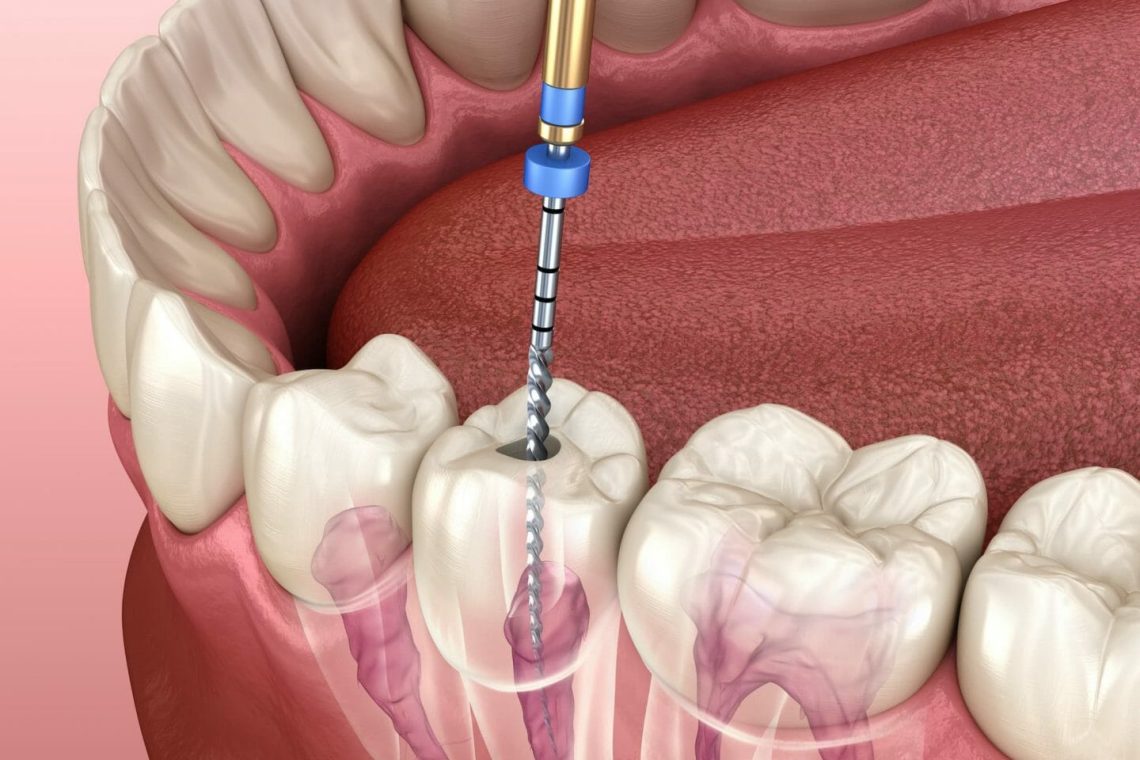
Understanding the Protective Nature of Endodontic Intervention
When a tooth becomes infected or severely decayed, the consequences extend far beyond the affected tooth itself. The intricate ecosystem within the mouth means that dental problems rarely remain isolated, and untreated infections can spread to neighbouring teeth with alarming efficiency. Root canal treatment Buckinghamshire serves as a crucial defensive measure, not only saving the compromised tooth but also acting as a protective barrier for the surrounding dentition.
The anatomy of teeth and their supporting structures creates a network where bacteria and infection can travel through various pathways. When pulp tissue becomes infected, harmful bacteria multiply rapidly within the confined space of the root canal system. Without intervention, these microorganisms can breach the tooth’s natural boundaries and infiltrate the surrounding bone and neighbouring tooth structures. Root canal specialists understand that timely treatment prevents this domino effect of dental deterioration.
The Mechanism of Infection Spread
Dental infections follow predictable patterns of progression that endodontists have studied extensively. When bacteria penetrate the tooth’s protective enamel layer and reach the pulp chamber, they establish an environment conducive to rapid multiplication. The infection creates pressure within the confined space, eventually forcing bacteria through the apex of the root and into the surrounding periodontal ligament and alveolar bone.
This periapical infection can then spread laterally through the bone, potentially affecting the roots of adjacent teeth. The proximity of tooth roots means that an infection originating in one tooth can compromise the supporting structures of neighbouring teeth, weakening their foundation and making them vulnerable to future problems. Understanding the NHS guidelines on root canal procedures helps patients recognise the importance of early intervention.
How Root Canal Treatment Halts Disease Progression
Eliminating the Source of Infection
The primary protective mechanism of root canal treatment lies in its thoroughness. By removing all infected pulp tissue, cleaning the canal system meticulously, and sealing it against future bacterial invasion, the procedure eliminates the source of infection that threatens neighbouring teeth. This comprehensive approach ensures that bacteria cannot continue to multiply and spread through the bone.
Preserving Bone Density and Structural Integrity
Beyond eliminating infection, root canal treatment practitioners emphasise the importance of maintaining bone density around treated teeth. When an infected tooth is left untreated, the resulting bone loss creates voids that compromise the stability of adjacent teeth. By preserving the natural tooth through endodontic therapy, the treatment maintains the structural integrity of the jawbone, ensuring that neighbouring teeth retain their proper support and positioning.
The bone surrounding teeth responds dynamically to the presence or absence of infection. Chronic infections cause progressive bone resorption, which can undermine the foundations of multiple teeth simultaneously. Root canal treatment arrests this destructive process, allowing the bone to heal and regenerate, thereby protecting the entire dental arch from future complications.
Long-Term Benefits for Overall Oral Health
The protective effects of root canal treatment extend well beyond the immediate resolution of pain and infection. By maintaining the natural tooth in its proper position, the procedure prevents the shifting and tilting of neighbouring teeth that often occurs when teeth are extracted. This stability is crucial for maintaining proper occlusion and preventing the cascade of orthodontic problems that can arise from tooth loss.
Furthermore, preserved teeth continue to provide proprioceptive feedback through their periodontal ligaments, helping to maintain healthy chewing patterns that distribute forces evenly across the dental arch. Research on endodontic success rates demonstrates the long-term viability of properly treated teeth in protecting overall oral health.
Preventing Secondary Infections
When root canal treatment is performed to a high standard, it creates a sealed environment that prevents bacteria from re-entering the tooth structure. This seal is vital for protecting neighbouring teeth from secondary infections that might otherwise develop. Understanding how to manage recurring infections highlights the importance of proper initial treatment and follow-up care.
The Broader Implications for Dental Preservation
Root canal treatment represents a philosophy of dental conservation that recognises the interconnected nature of oral structures. By saving one tooth, practitioners protect an entire system of teeth, bone, and supporting tissues. The treatment’s ability to halt infection, preserve bone density, and maintain natural tooth positioning makes it an invaluable tool in preventing future dental problems that could affect multiple teeth throughout a patient’s lifetime.